Beginner Budget Planner: A Simple Tool for Managing Your Money
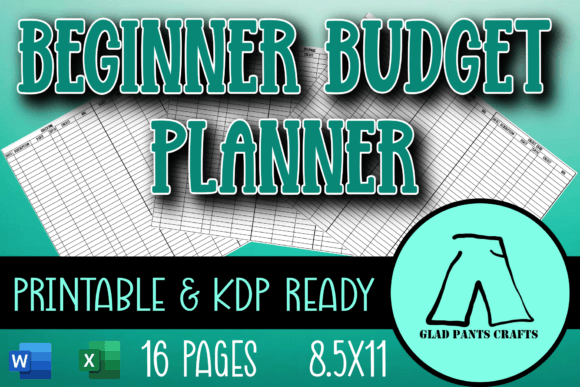
If you're just starting to take control of your finances, a Beginner Budget Planner can be a game-changer. This all-in-one resource includes an Excel document, a Word document, and a PDF—each designed to help you track income, expenses, and savings. Whether you're a freelancer, a small business owner, or simply looking to get your financial house in order, this planner is a practical tool that fits into your daily routine.
The Beginner Budget Planner isn’t just another spreadsheet. It’s built with real-life scenarios in mind. You’ll find examples and formulas that make it easy to understand how to allocate your money. There’s also a dedicated savings planning sheet, which helps you set goals and monitor progress over time. This makes it ideal for anyone who wants to start saving, whether it's for a vacation, an emergency fund, or a big purchase.
When and Where People Use the Beginner Budget Planner
People use the Beginner Budget Planner in different ways depending on their lifestyle and financial goals. For example, a young professional starting their first job might use it to track monthly expenses and ensure they’re not overspending. A creator or freelancer could use it to manage irregular income and plan for periods when work is slower. The flexibility of the files means you can adjust them to fit your specific needs.
Many users find it helpful to print out the documents for a more tangible approach to budgeting. Others prefer to work digitally, using the Excel and PDF versions to update their budgets on the go. The ability to edit and customize the files ensures that no two people will use the planner exactly the same way.
Real-World Use Cases for the Beginner Budget Planner
Let’s look at some realistic situations where the Beginner Budget Planner can make a difference:
- For Students: A college student might use the planner to track tuition, books, and living expenses. By setting up a monthly budget, they can avoid debt and learn financial responsibility early on.
- For Small Business Owners: A local shop owner could use the planner to monitor cash flow, track expenses, and plan for future investments. The savings sheet helps them set aside money for unexpected costs or growth opportunities.
- For Freelancers: A writer or designer with variable income can use the planner to estimate earnings and allocate funds for taxes, bills, and savings. This helps reduce stress during lean months.
- For Families: Parents might use the planner to manage household expenses, including groceries, utilities, and childcare. It can also help them save for their children’s education or a family trip.
How Different Users Benefit from the Planner
The Beginner Budget Planner isn’t one-size-fits-all, but it adapts to various needs. A blogger might use it to track expenses related to their website, such as hosting fees or software subscriptions. A teacher could use it to plan for classroom supplies or personal development courses. The key is that the planner provides structure without being rigid.
For those new to budgeting, the included examples and formulas serve as a guide. They show how to calculate percentages, track spending categories, and set realistic goals. This makes it easier to understand complex financial concepts without needing prior experience.
What to Consider Before Using the Beginner Budget Planner
Before diving into the Beginner Budget Planner, it’s important to think about your financial habits and goals. Are you comfortable tracking every expense? Do you need a simple or detailed approach? The planner offers both, so you can choose what works best for you.
You should also consider how often you’ll update your budget. Some people prefer to review it weekly, while others do it monthly. The flexibility of the files allows you to adjust the frequency based on your schedule. Additionally, if you’re using the planner for a business, you may need to add specific categories like inventory costs or client payments.
Connecting Features to Real Outcomes
The Beginner Budget Planner’s features directly impact real-life outcomes. For instance, the savings planning sheet helps users build an emergency fund, which can provide peace of mind during unexpected events. The expense tracker ensures that you’re not overspending on non-essentials, allowing you to save more each month.
By using the planner consistently, you can develop better financial habits. Over time, you’ll gain a clearer picture of where your money goes and how to improve your financial situation. This can lead to long-term benefits like reduced debt, increased savings, and greater financial independence.
Why the Beginner Budget Planner Stands Out
What sets the Beginner Budget Planner apart is its simplicity and adaptability. Unlike other budgeting tools that require technical skills or subscription fees, this planner is accessible to everyone. The included documents are easy to use and modify, making it a valuable resource for people at any stage of their financial journey.
Whether you're managing a tight budget or planning for future growth, the Beginner Budget Planner offers the tools you need to stay on track. Its practical design and real-world applications make it a trusted choice for individuals and businesses alike.